US B1/B2 Visa for Thai Citizens 2026: DS-160, Embassy Interview, and 214(b) Refusals Explained
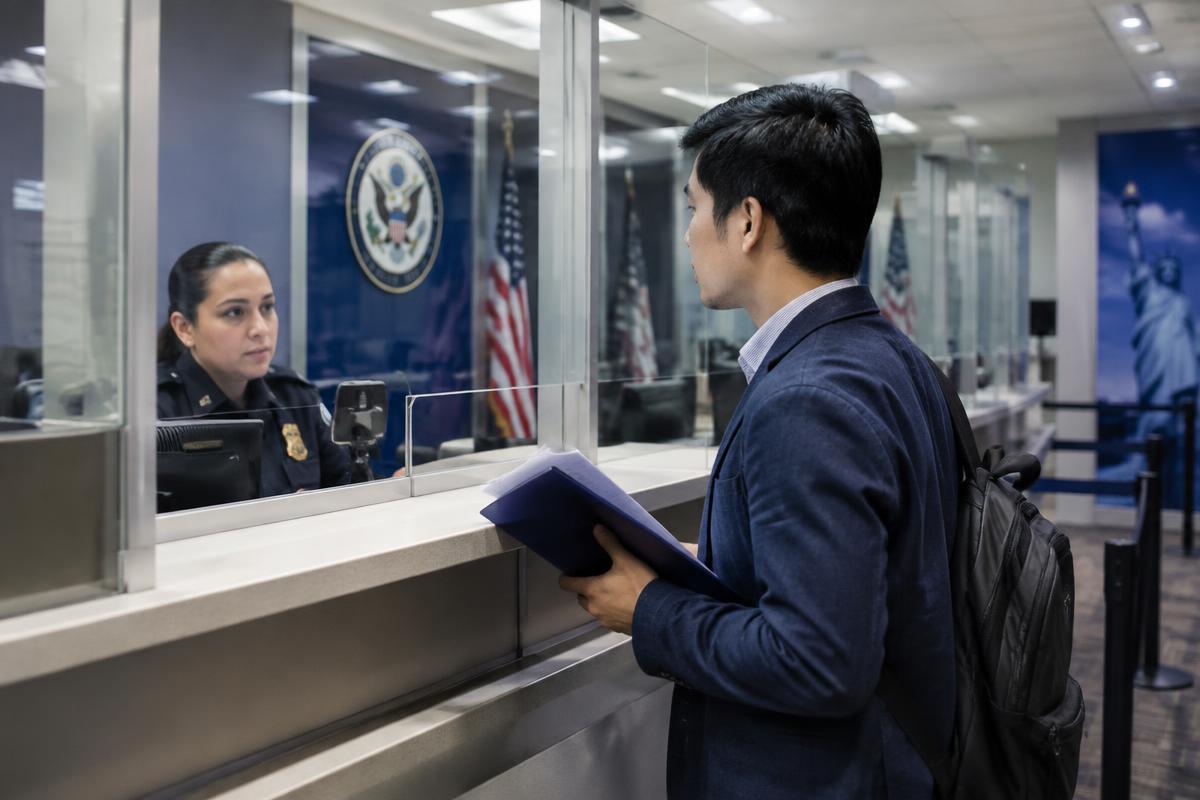
Thai citizens travelling to the United States need a B1/B2 (business/tourism) visa before departure. The main steps are completing the DS-160 online form, paying the fee, booking an interview, and attending it with a consular officer at the US Embassy in Bangkok, including fingerprinting. Most decisions are made at the interview, not on documents. Issued visas are usually multi-year, multiple-entry, but the length of each stay is set by the border officer on arrival. A visa does not guarantee entry.
We do not publish company service prices. Ask our team for a case-specific quotation; official fees remain those announced by the authority on the filing date.
What the B1/B2 visa is — and how the US differs
B1 is the short business visa and B2 is the tourism and family-visit visa; in practice the embassy usually issues a combined B1/B2, valid for multiple years with multiple entries. The length of each stay (generally up to 6 months) is decided by the border officer on arrival, not by the visa itself.
The biggest difference from other countries is the interview. Under section 214(b) of US immigration law, every applicant is presumed to be an intending immigrant until they prove otherwise — so you must demonstrate strong enough ties to Thailand to return. The decision rests far more on your answers in the interview room than on a thick folder of documents.
- B1: short business, meetings, negotiations / B2: tourism, family visits, medical treatment
- Usually issued as combined B1/B2, multi-year, multiple entry
- Length of stay per entry is set at the border, not by the visa
- No paid work in the US on this visa
How to prepare for a credible interview
Consular officers spend only a few minutes per applicant. The core questions circle around: why are you going, where, for how long, who pays, and what do you do in Thailand. Good answers are short, direct and fully consistent with your DS-160. Recited long answers or answers that contradict the form are red flags.
Documents worth carrying even if not always asked for: an employment letter stating position, salary and approved leave, bank statements covering several months, a rough itinerary, and evidence of ties to Thailand such as property, family or a business. Do not attach a lump sum transferred into the account days before applying — it looks like borrowed show money.
- Answer briefly, directly, and consistently with the DS-160
- Know your own trip: cities, dates, accommodation, budget
- Employment and financial evidence from real income, not a recent lump sum
- Dress neatly, arrive on time, and stay calm
The 214(b) refusal — and what to do next
Most US visitor-visa refusals cite section 214(b), which in plain terms means 'the officer was not convinced you will return to Thailand'. It commonly affects applicants with unstable work or income, no travel history, or answers that contradict the form. There is no appeal for this refusal, but you may re-apply at any time.
A re-application has a real chance when your circumstances have genuinely changed — a more stable job, higher income, or new ties — not when you resubmit the same information immediately. You must always declare the previous refusal in the new DS-160; hiding it counts as misrepresentation.
How we work, step by step
- Complete the DS-160 online. Only on the US Department of State's official site; keep the confirmation number.
- Pay the fee and book the interview. Pay through official channels and book at the US Embassy in Bangkok.
- Prepare documents and answers. Employment, finances, itinerary — and review your DS-160 so you know it by heart.
- Attend the interview and biometrics. Bring your original passport, DS-160 confirmation page and supporting documents.
- Wait for the result and passport return. If approved, the passport is returned with the visa via your chosen channel.
- Check the visa before travelling. Name, date of birth and passport number must be correct; stay length is set at the border.
Questions we are asked most
Do Thai citizens need a visa for the US?
Yes. Thai passports are not in the Visa Waiver Program; a B1/B2 visa is required before travel.
What language is the interview in?
Interviews in Bangkok can be conducted in Thai; fluent English is not required, but answers must be consistent with the form.
How much money must I show?
There is no fixed figure, but funds must be reasonable for the trip, from real income — not a lump sum deposited just before applying.
Refused under 214(b) — can I re-apply?
Yes, any time, but apply when circumstances have genuinely changed, and always declare the previous refusal in the new form.
How long is the visa valid, and how long can I stay?
B1/B2 visas issued to Thais are usually multi-year, multiple-entry; each stay (generally up to 6 months) is decided by the border officer.
Can I work on a visitor visa?
No. Working requires the correct work visa; violating conditions can lead to visa cancellation and a long-term ban.
Official sources
Reviewed 9 October 2026. These links are starting points; the receiving authority decides the current case-specific requirements.
- U.S. Department of State — Visitor Visa (B1/B2)
- U.S. Embassy in Thailand — Nonimmigrant Visas
- U.S. Department of State — DS-160 Online Application
Other help for visiting abroad
Request a quotation from our visa team
We review your situation and documents first. Decisions are made by the relevant embassy, immigration office or receiving authority, not by our team.